

Cover Scan, Barcode, or Catalog Number: Which Vinyl Identification Method Should You Use?
 Adrian
Let’s be honest: cataloging a collection representing your passion for music shouldn’t feel like work. It should be part of the ritual – as satisfying as dropping the needle on your favorite platter. But whether you have a stack of 50 records or a library of 5,000, you’ve probably faced the dilemma: How do I add this specific album to my digital shelf?
Unlike other apps that lock you into one method, Record Scanner offers a versatile toolkit designed for every type of collector. Whether you prefer the speed of visual AI, the precision of a barcode, or the deep-dive accuracy of a catalog number, our app adapts to your collecting style or your day-to-day needs.
Here is the ultimate guide on when to use each of these four powerful tools to build your own perfect digital record library.
1. Cover Scanning
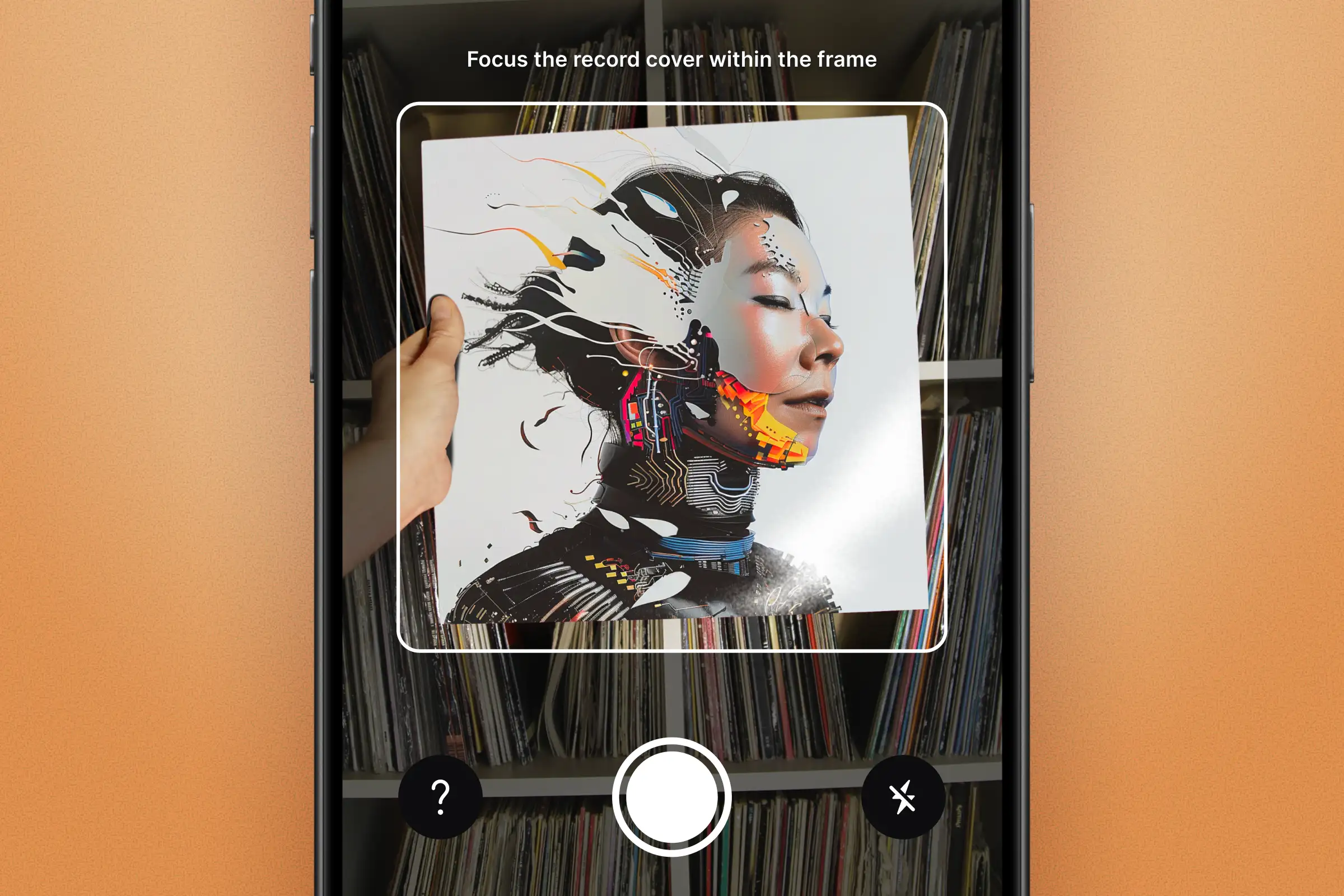 This is the heart and soul of our app. It’s designed for that magical moment when you just want to grab a stack of vinyl and see them appear on your phone screen instantly.
Best for: Rapid cataloging, older records, and staying in the "flow."
When to use it:
This is the heart and soul of our app. It’s designed for that magical moment when you just want to grab a stack of vinyl and see them appear on your phone screen instantly.
Best for: Rapid cataloging, older records, and staying in the "flow."
When to use it:
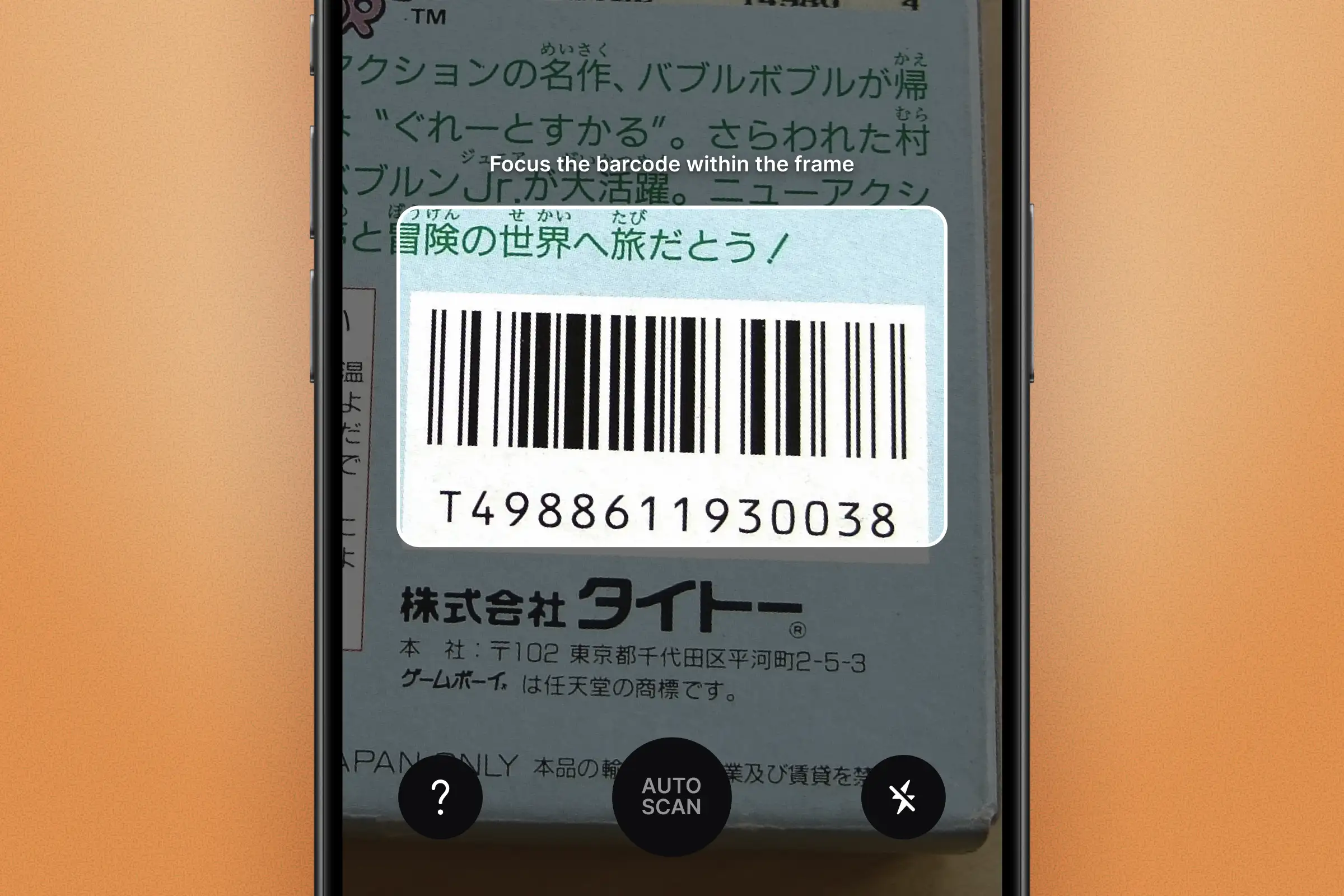 Sometimes, you need to be surgical. You don't just want an album by Tame Impala; you want to confirm you have the specific recent reissue to ensure your collection data is spot on.
Best for: Specific post 1980s pressings, reissues, and absolute precision.
When to use it:
Sometimes, you need to be surgical. You don't just want an album by Tame Impala; you want to confirm you have the specific recent reissue to ensure your collection data is spot on.
Best for: Specific post 1980s pressings, reissues, and absolute precision.
When to use it:
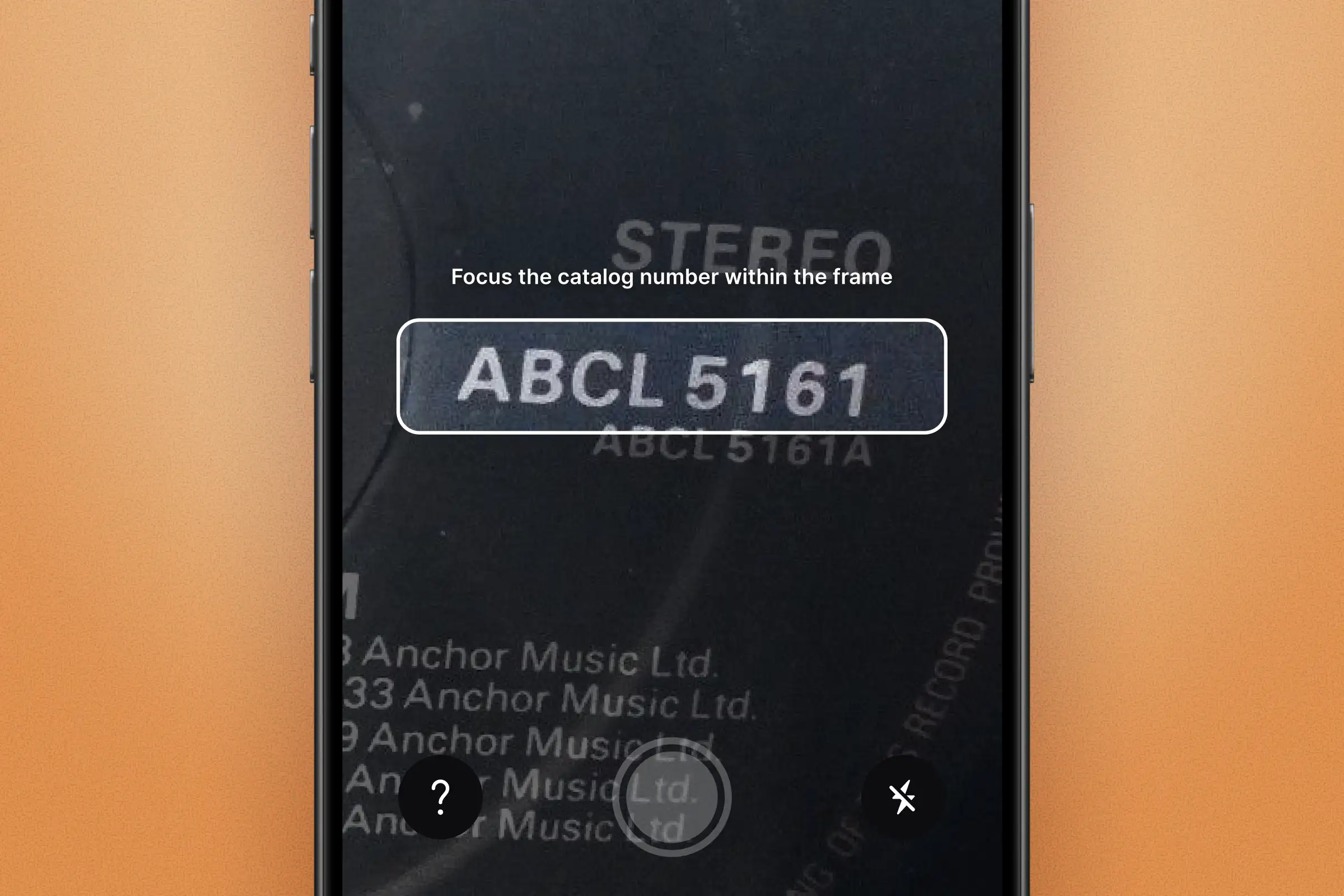 This method is for the collector who values deep details and knows that a UK first pressing is worth a lot more than a later reissue. Sometimes, the cover is generic, and there is no barcode. Enter the CatNo Scanner.
Best for: Rare pressings, promo copies, and the serious archivist.
When to use it:
This method is for the collector who values deep details and knows that a UK first pressing is worth a lot more than a later reissue. Sometimes, the cover is generic, and there is no barcode. Enter the CatNo Scanner.
Best for: Rare pressings, promo copies, and the serious archivist.
When to use it:
 Do you want something quick? Use the cover scanner. It’s fast, fun, and keeps the wax spinning.
Need certainty on a new buy? Use the barcode scanner. It’s quick and precise.
Hunting for treasure or specific pressings? Use the catalog number or Discogs release ID. It’s the tool for the true archivist.
No matter how you collect, Record Scanner is built to adapt to your style.
Ready to digitize your crate?
Do you want something quick? Use the cover scanner. It’s fast, fun, and keeps the wax spinning.
Need certainty on a new buy? Use the barcode scanner. It’s quick and precise.
Hunting for treasure or specific pressings? Use the catalog number or Discogs release ID. It’s the tool for the true archivist.
No matter how you collect, Record Scanner is built to adapt to your style.
Ready to digitize your crate?
- The "golden oldies" (pre-1980s). Before barcodes became the industry standard in the early 80s, album covers were the main identifier. Our AI is trained to recognize iconic (and obscure) art instantly.
- The "digital detox" session. You’re exploring a crate at a record fair or chilling with a coffee. You don’t want to hunt for tiny numbers or type on a keyboard. You just point and snap.
- Ease of use. If you struggle with finding/reading small text on spine labels or confusing codes, the Cover Scanner is your best friend. It makes cataloging effortless.
- Modern era vinyl (post-1980s) specific reissues. Almost every record released in the last 40 years has a barcode on the back jacket. Record Scanner reads these instantly. Album art often stays the same for decades, but barcodes often change with new pressings. If you want your instant valuation to be as accurate as possible, scanning the barcode helps match the exact commercial release.
- Cassettes. While cover scanning works great here too, barcode scanning is also a viable and fast route for smaller formats like cassettes.
- The "white whales". Rare imports, promo copies, or limited editions often share artwork with standard releases. The Catalog Number (usually found on the spine or the record label itself) is the fingerprint of that specific disc.
- Generic sleeves. Found a gem in a thrift store with a torn cover or a plain sleeve? Just point the scanner at the catalog code printed on the label to find it in the database instantly – no typing required.
You May Be Interested In
© 2026 Record Scanner