
Spreadsheets vs. Apps: What’s the Best Way to Manage a Record Collection?
 Adrian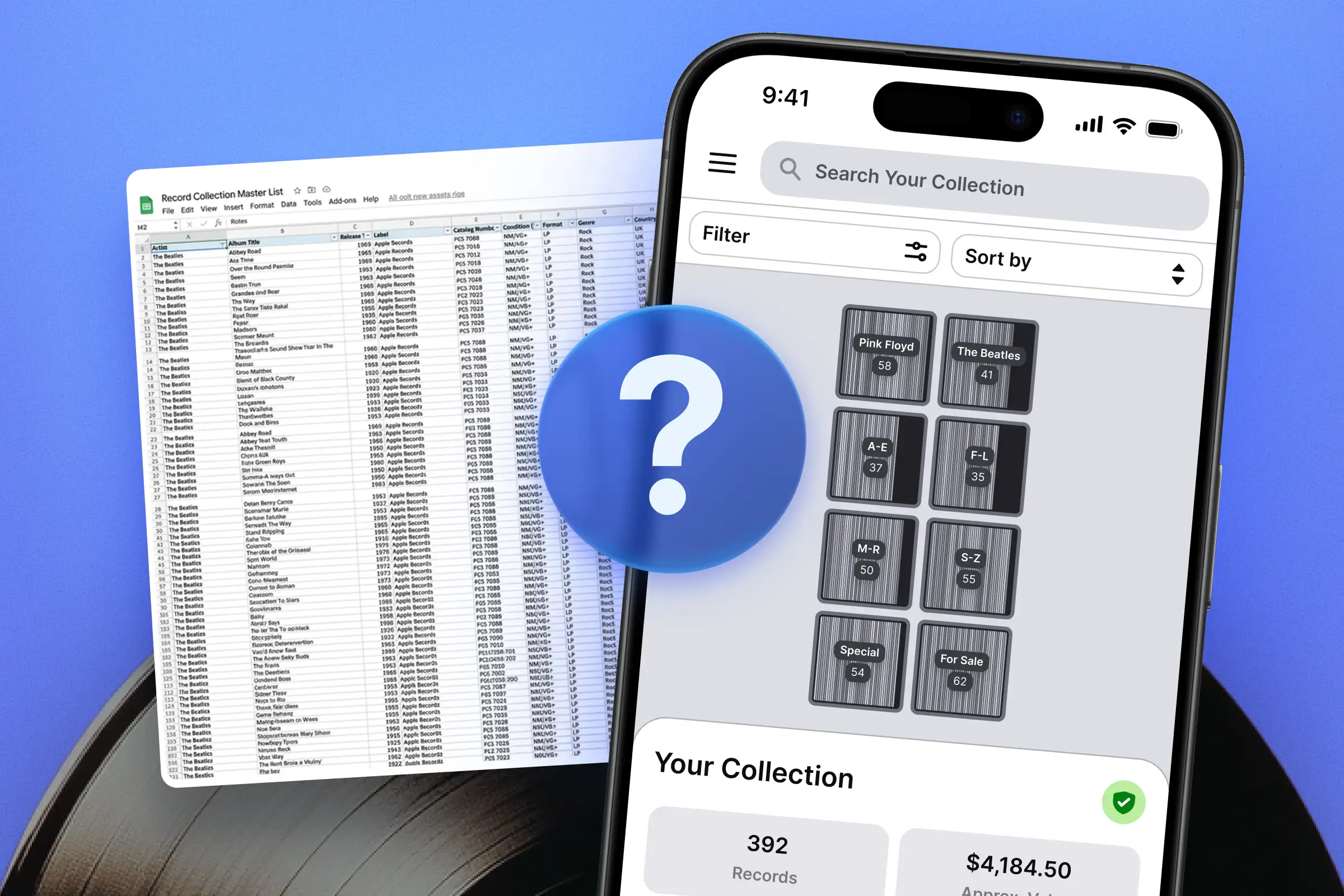
You are at a record fair, digging through a crate, and you find a copy of an album you have been hunting for. You pause. You are almost certain you have it, but do you have this pressing? Or maybe you loaned that specific album to a friend three months ago and never got it back.
Buying a duplicate is annoying, but losing track of your collection is a bigger headache.
Keeping a catalog is the only way to maintain order as your library grows. It gives you immediate clarity on what is on your shelves and what is missing. It helps you track who borrowed your favorite LP so you can actually get it back. On a more practical level, an organized list serves as proof of ownership for insurance if a disaster ever strikes. Most importantly, turning a chaotic pile of vinyl into a structured library brings a sense of calm and satisfaction.
For a long time, the spreadsheet was the standard tool for this job. Now, mobile apps offer a different approach. Let's look at which method serves the modern collector better.
 The Spreadsheet Way: Building a database in a spreadsheet is a test of patience. You sit at your computer and type out the artist, the album title, the year, and the label. Then you have to squint at the spine for the catalog number and type that too. Repeating this process for hundreds of records turns a fun hobby into data entry work.
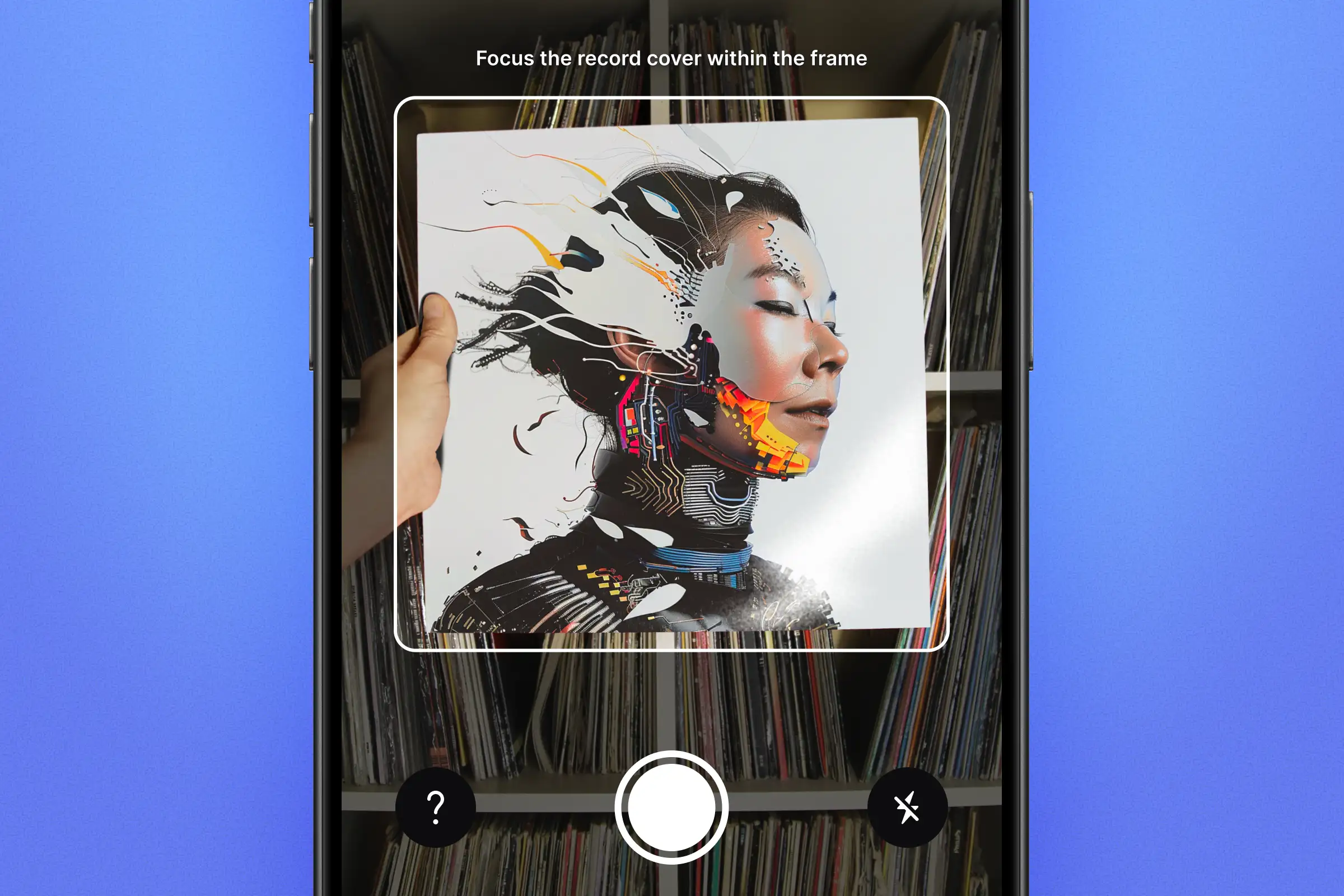
The Record Scanner Way: This method uses the tool you already have in your pocket. You point your phone camera at the album cover, and the app recognizes the vinyl, CD, or cassette immediately. If you need more precision – you also have the option to scan the barcode or catalog number.
The app pulls in the cover art and essential details automatically, saving you from typing out release dates or tracklists. It even connects you to the music by adding links to preview the album on streaming services. The process feels less like administrative work and more like interacting with your physical media.
The Spreadsheet Way: Building a database in a spreadsheet is a test of patience. You sit at your computer and type out the artist, the album title, the year, and the label. Then you have to squint at the spine for the catalog number and type that too. Repeating this process for hundreds of records turns a fun hobby into data entry work.
The Record Scanner Way: This method uses the tool you already have in your pocket. You point your phone camera at the album cover, and the app recognizes the vinyl, CD, or cassette immediately. If you need more precision – you also have the option to scan the barcode or catalog number.
The app pulls in the cover art and essential details automatically, saving you from typing out release dates or tracklists. It even connects you to the music by adding links to preview the album on streaming services. The process feels less like administrative work and more like interacting with your physical media.
 The Spreadsheet Way: Spreadsheets are excellent for static data, but they fail at tracking market fluctuations. To value your collection, you have to manually search for each release on a marketplace, check the current selling price, and paste it into a cell. The problem is that the market moves constantly. The price you entered six months ago is likely wrong today, forcing you to repeat the research if you want an accurate total.
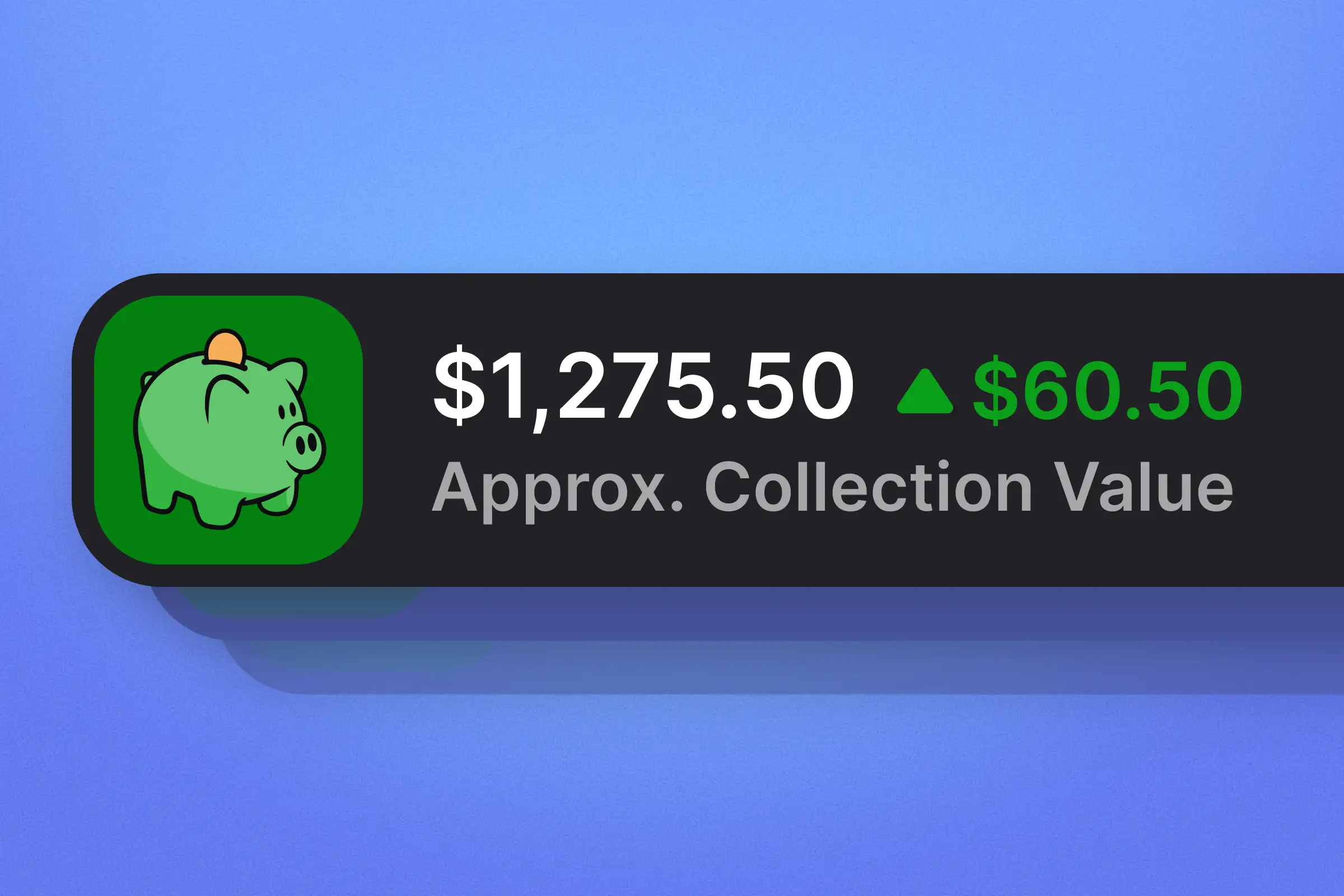
The Record Scanner Way: The app handles the math and the market research for you. It provides an instant valuation based on estimated market data. You can check the estimated worth of a specific pressing or view the total value of your entire collection in seconds.
The Spreadsheet Way: Spreadsheets are excellent for static data, but they fail at tracking market fluctuations. To value your collection, you have to manually search for each release on a marketplace, check the current selling price, and paste it into a cell. The problem is that the market moves constantly. The price you entered six months ago is likely wrong today, forcing you to repeat the research if you want an accurate total.
The Record Scanner Way: The app handles the math and the market research for you. It provides an instant valuation based on estimated market data. You can check the estimated worth of a specific pressing or view the total value of your entire collection in seconds.
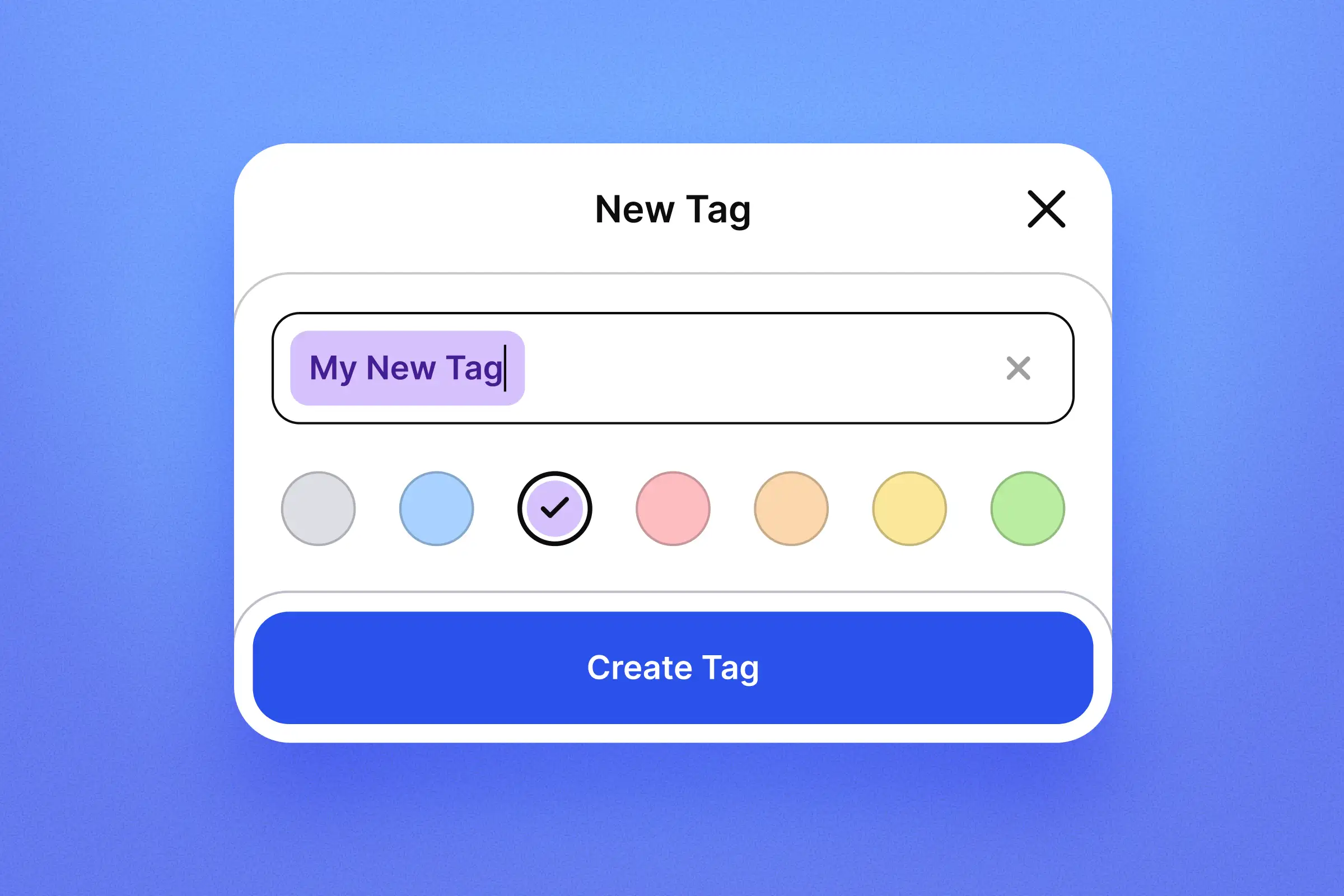 The Spreadsheet Way: The strength of a spreadsheet is its open structure. You can add as many columns as you like for any detail you wish to track. It is a blank slate, which is powerful, but setting it up requires time and a clear plan from the start.
The Record Scanner Way: Apps now offer similar flexibility without the setup time. You get a structured database that handles the basics, but you can also add your own notes and tags. You might tag records by mood, mark them as "Signed," or note their condition. You get the benefits of a professional database while keeping the freedom to organize things your way.
The Spreadsheet Way: The strength of a spreadsheet is its open structure. You can add as many columns as you like for any detail you wish to track. It is a blank slate, which is powerful, but setting it up requires time and a clear plan from the start.
The Record Scanner Way: Apps now offer similar flexibility without the setup time. You get a structured database that handles the basics, but you can also add your own notes and tags. You might tag records by mood, mark them as "Signed," or note their condition. You get the benefits of a professional database while keeping the freedom to organize things your way.
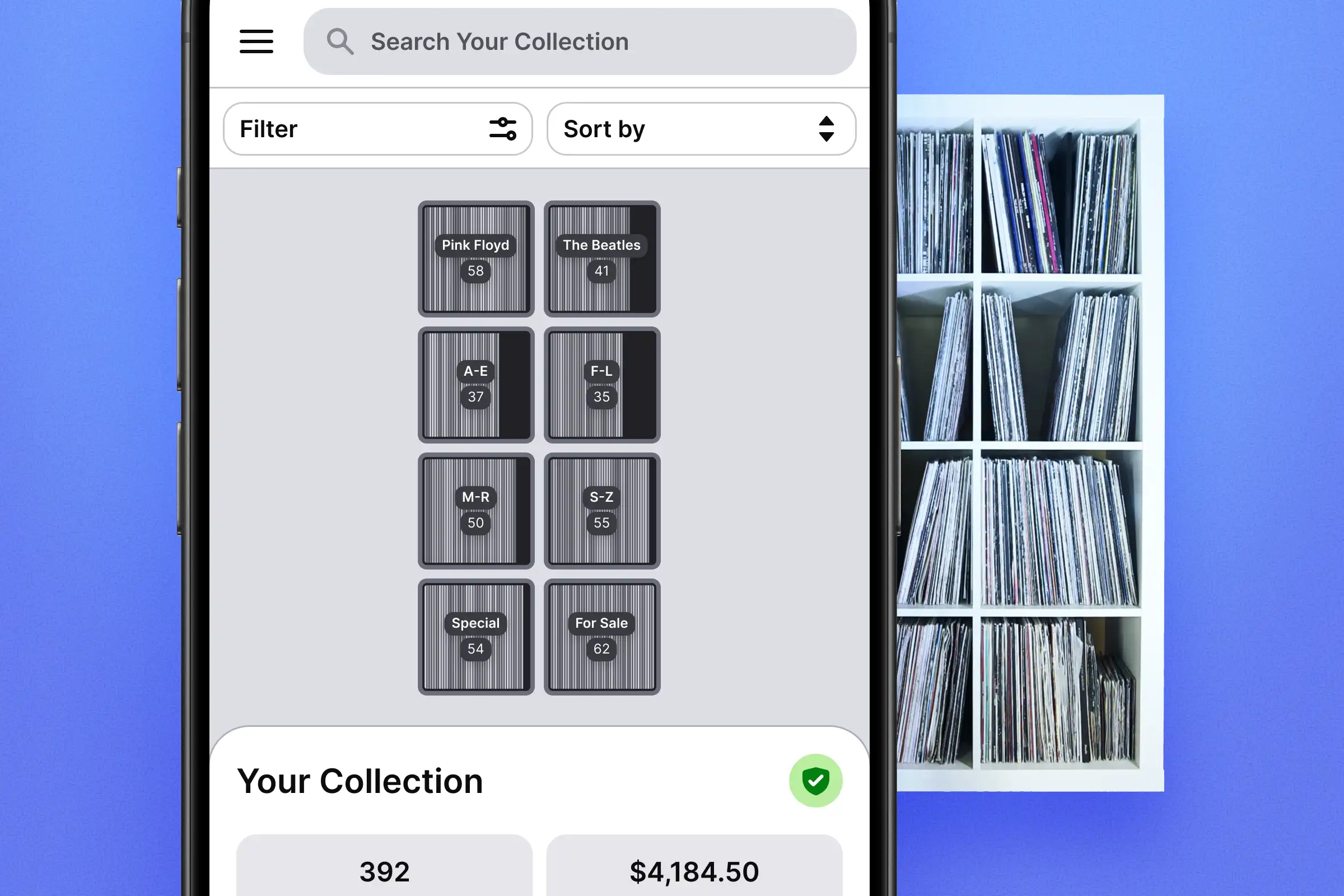
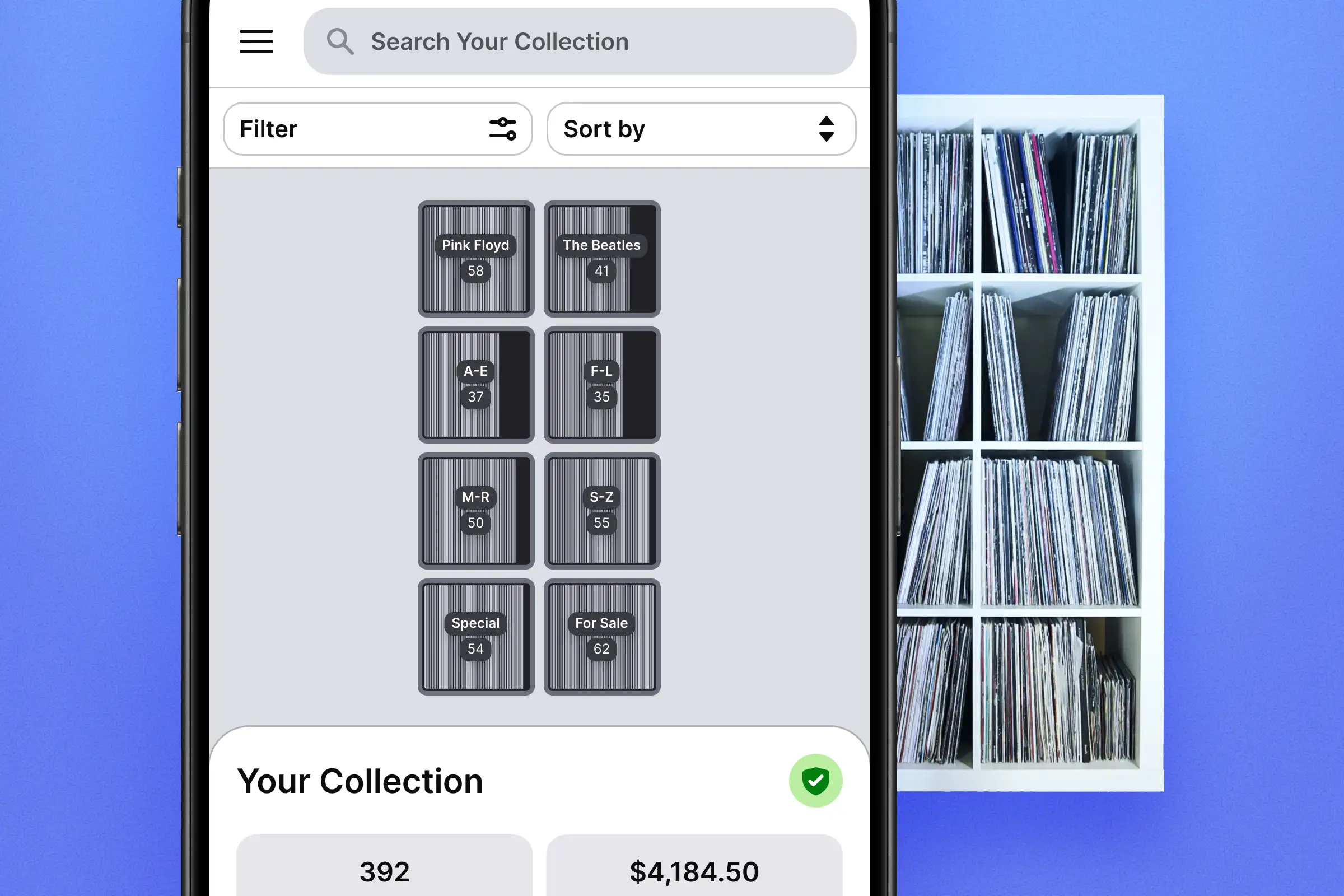 The Spreadsheet Way: A spreadsheet is a grid of text. You can color-code cells, but you cannot easily browse your collection visually. Sorting requires using filters, and getting a quick overview of your genres or eras often involves complex formulas.
The Record Scanner Way: Your digital library should look like your physical one. The app organizes your albums into virtual shelves, allowing you to browse by cover art. You can sort and divide your collection based on your personal preferences, making it easy to find what you are looking for.
For those who still want a backup or need to manipulate data for a specific project, you can export your collection from the app. You get the visual interface for daily use and the raw data file for safekeeping.
The Spreadsheet Way: A spreadsheet is a grid of text. You can color-code cells, but you cannot easily browse your collection visually. Sorting requires using filters, and getting a quick overview of your genres or eras often involves complex formulas.
The Record Scanner Way: Your digital library should look like your physical one. The app organizes your albums into virtual shelves, allowing you to browse by cover art. You can sort and divide your collection based on your personal preferences, making it easy to find what you are looking for.
For those who still want a backup or need to manipulate data for a specific project, you can export your collection from the app. You get the visual interface for daily use and the raw data file for safekeeping.
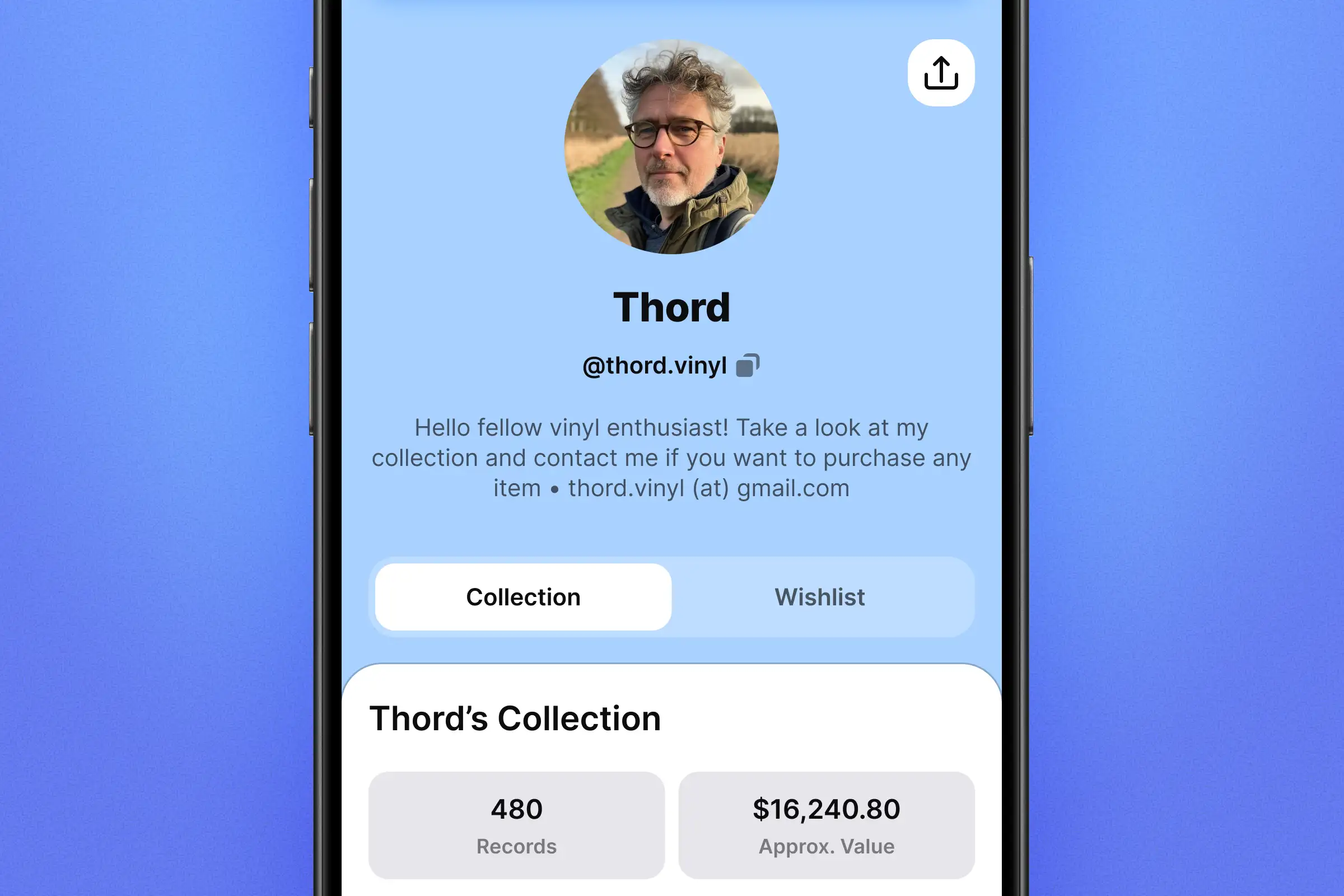 The Spreadsheet Way: If you want to show your collection to a friend who lives across the country, a spreadsheet is underwhelming. You have to email them a file, which they likely won't open. If you decide to sell some records, you face another hurdle: manually creating listings on marketplaces and re-typing all the information you already have in your file.
The Record Scanner Way: Sharing is built into the platform. You can generate a link to your virtual shelves or specific items that anyone can view in a web browser, even if they don't have the app or an account. When it is time to prune your collection, the Discogs integration allows you to list items for sale seamlessly, using the data you have already captured.
The Spreadsheet Way: If you want to show your collection to a friend who lives across the country, a spreadsheet is underwhelming. You have to email them a file, which they likely won't open. If you decide to sell some records, you face another hurdle: manually creating listings on marketplaces and re-typing all the information you already have in your file.
The Record Scanner Way: Sharing is built into the platform. You can generate a link to your virtual shelves or specific items that anyone can view in a web browser, even if they don't have the app or an account. When it is time to prune your collection, the Discogs integration allows you to list items for sale seamlessly, using the data you have already captured.
 Spreadsheets are powerful tools for accountants, but for collectors, they often feel like a chore. They require constant maintenance to stay relevant.
Using a dedicated app respects the time and passion you invest in your hobby. It offers a cleaner, faster, and more intelligent way to manage your library. It keeps your data accurate, your collection organized, and your mind at ease, helping you rediscover the joy of collecting records.
Spreadsheets are powerful tools for accountants, but for collectors, they often feel like a chore. They require constant maintenance to stay relevant.
Using a dedicated app respects the time and passion you invest in your hobby. It offers a cleaner, faster, and more intelligent way to manage your library. It keeps your data accurate, your collection organized, and your mind at ease, helping you rediscover the joy of collecting records.
1. The Input Process: Typing vs. Snapping
2. Valuation: Guesswork vs. Live Data
3. Customization: Infinite Columns vs. Smart Tags
4. Visuals and Categorization: The Wall of Text vs. Virtual Shelves
5. Sharing and Selling: Isolation vs. Community
The Verdict
You May Be Interested In
© 2026 Record Scanner