
Vinyl, CD and Streaming: The Real Difference
 Adrian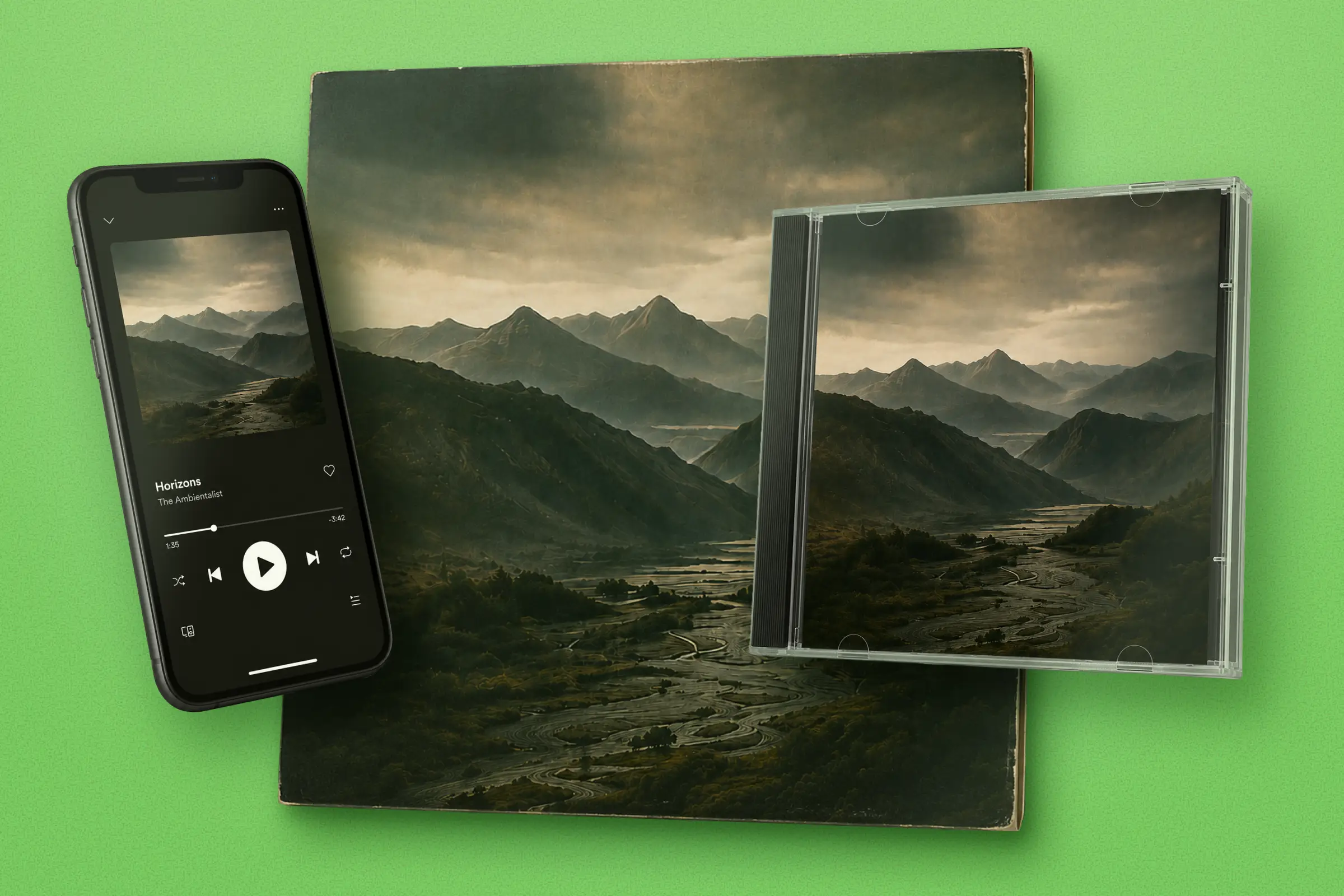
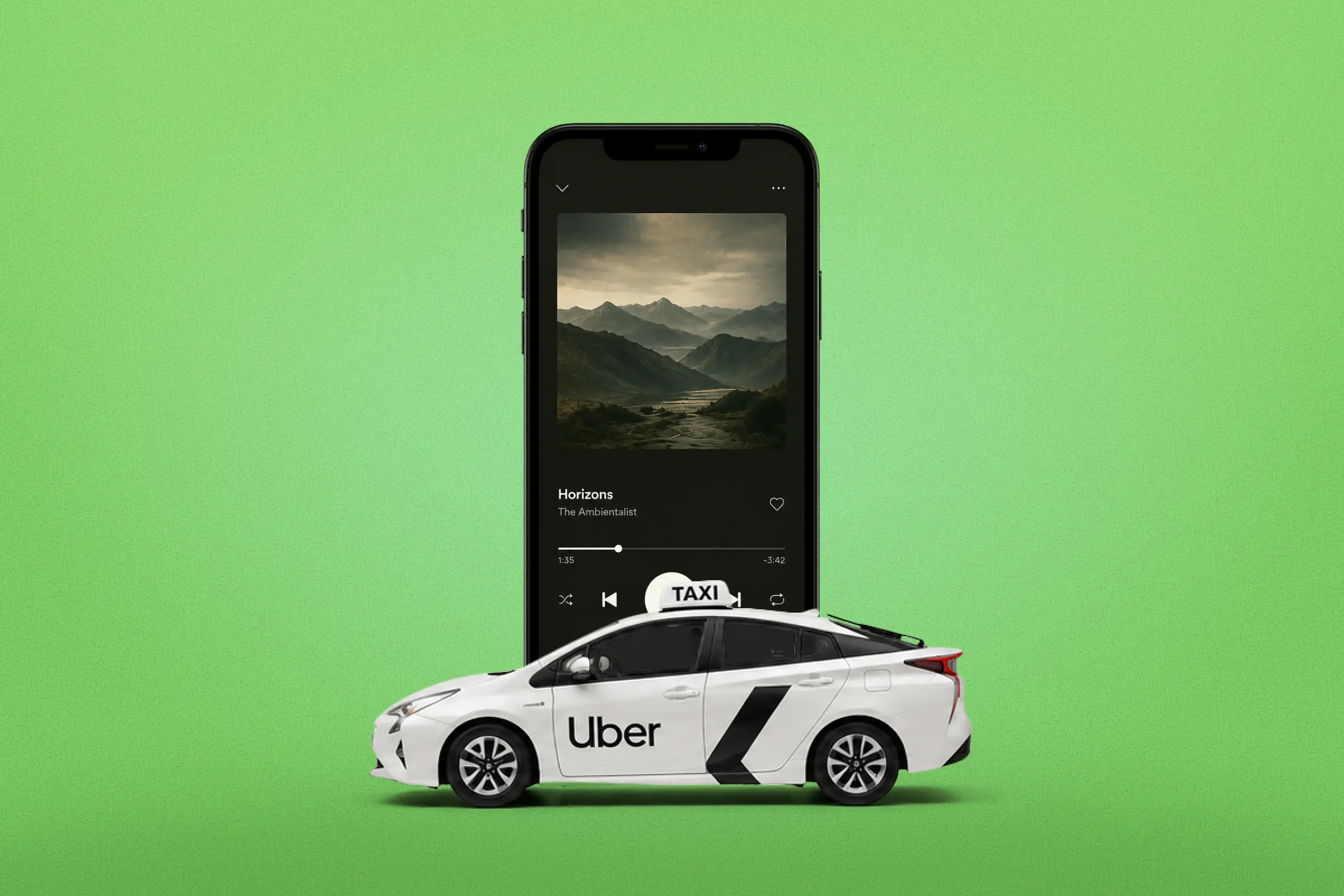
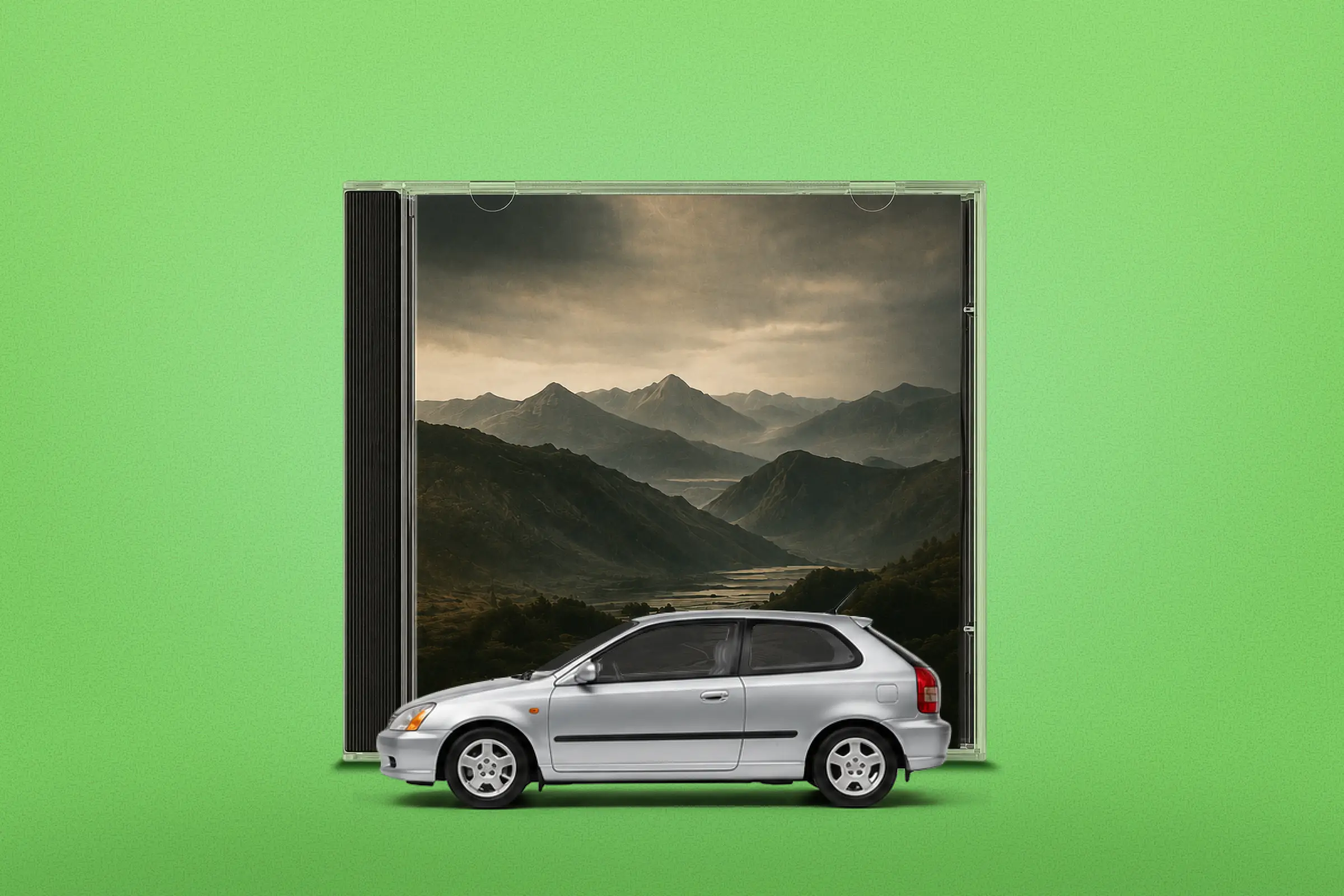
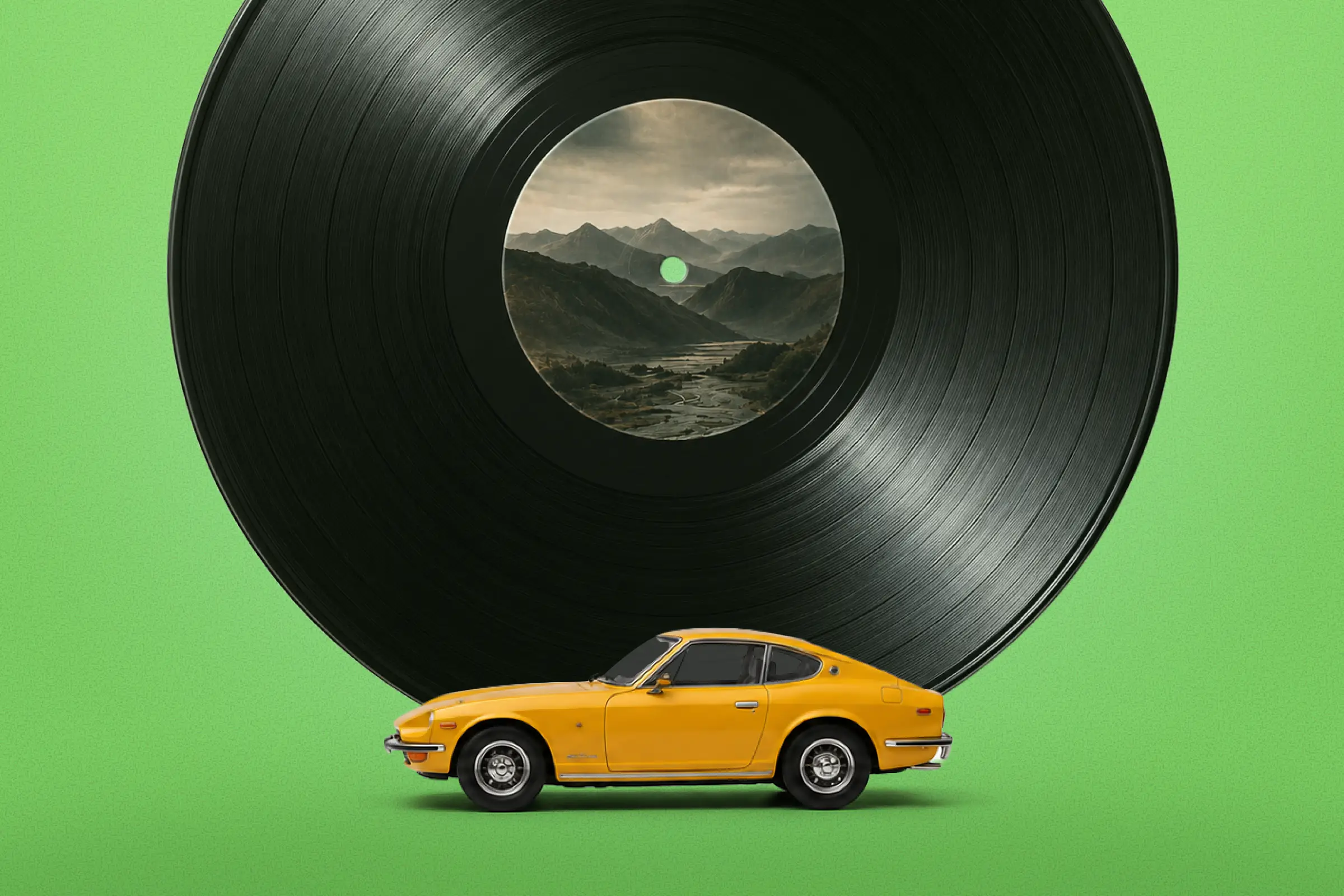
If listening to music were like driving: streaming is calling an Uber, CDs are keeping a trusty hatchback, and vinyl is restoring an analog sports car.
The needle drops on the groove with a faint crackle. A laser reads microscopic pits in silence. An algorithm streams a file across the globe.
We now have more ways to consume audio than ever. But are we actually enjoying the sound - or just paying for convenience?
Streaming Services - The Unlimited Uber Subscription
Streaming is the ultimate convenience engine. It works exactly like calling an Uber to get anywhere instantly: the ride is effortless and the destination choices are infinite, but you never actually own the vehicle. According to Bango’s Subscription Wars report, 44% of US consumers pay for a music subscription. This contributes to an average household spend of $924 per year on subscription services overall. That is nearly a thousand dollars annually for media access that vanishes the second your credit card expires – or whenever a publisher pulls your favorite album over a licensing dispute. Audio options on these apps have expanded significantly. Spotify now offers Lossless playback alongside its standard tier, while Tidal features HiRes FLAC scaling up to 24-bit/192kHz. In practical terms, lossless audio delivers an exact bit-for-bit replica of the digital studio master. However, this digital file is often heavily compressed and mastered much louder than the more dynamic mix pressed onto physical vinyl. Even CDs are sometimes mastered a bit differently. The additional quality is nice, but remember - it burns through mobile bandwidth real fast. High-resolution FLAC streams consume up to 2GB per hour, compared to roughly 140MB for standard MP3s. Science also questions whether human ears catch those extra data bits in everyday environments. Aggregated data from thousands of double-blind ABX tests on audiophile forums like Hydrogenaudio shows that trained listeners correctly distinguish FLAC from 320 kbps MP3s only 60 to 70 percent of the time. Untrained listeners guess at the exact rate of a coin flip, so it’s basically random. Unless sitting in a dead-silent room with high-end wired gear, a lot of people pay data costs for audio details their ears cannot detect.Compact Discs - The Practical Hatchback
The compact disc is the reliable mid-2000s Japanese hatchback of audio formats. It lacks vintage glamor, but a clean CD turns on instantly and delivers absolute digital precision without server buffering. Its uncompressed 16-bit/44.1kHz standard provides zero needle noise, zero tape hiss, and a flat frequency response. Marketing often frames high-resolution audio as a necessary upgrade, yet academic research repeatedly confirms standard CD resolution matches the limits of human hearing. A classic 2007 AES study by Meyer & Moran tested a CD-quality audio loop on professional engineers, students, and audiophiles. Across 554 trials, the researchers discovered that the CD-quality loop was completely undetectable from high-resolution playback on any of the tested systems at normal and loud volumes. Because CDs offer uncompressed fidelity without recurring monthly bills, listening habits are evolving. According to YouGov market data, 53% of UK CD listeners are over 55. This demographic bought physical discs as a default standard and naturally values physical ownership. Yet budget-conscious younger buyers are taking notice too. Thrift store CDs priced at two dollars offer uncompressed physical ownership for less than a cup of coffee, making the trusty hatchback look smarter than ever.Vinyl Records - The Vintage Sports Car
Vinyl operates like driving a 1970s manual sports car. Enthusiasts accept high friction, expensive replacement cartridges, sensitivity to dust, and the minor nuisance of standing up to flip the disc. Yet that hands-on ritual transforms music from background noise into an intentional event. Market data reveals a massive movement toward physical wax. Gen Z and Millennials make up 44% of US vinyl buyers. For them, this format goes far beyond audio fidelity. Sixty-two percent of young global vinyl fans buy records specifically to support their favorite artists and connect with local record store communities. Unlike an Uber ride or a streaming fee that vanishes, physical records also act as tangible assets that retain or increase resale value. More importantly, a publisher cannot walk into your living room and take a record off your shelf. Here is a surprising piece of audio trivia: that legendary warm analog sound might actually be partly in our heads. A 2022 study by Enstroem & Schmaltz published in Frontiers in Psychology tested 176 university students listening to Frank Sinatra on either vinyl or a 192 kbps MP3. When researchers informed participants that an MP3 track was actually playing from a vinyl turntable, listeners rated the audio "fullness" significantly higher simply because of the vinyl label. Beyond placebo effects, the real acoustic distinction comes down to mastering engineering. Heavy digital compression, often called brickwalling, is the standard in modern streaming releases to make a track sound constantly loud. If engineers cut a heavily brickwalled master directly to vinyl, the extreme levels could cause the stylus to physically jump out of the groove. To protect the cutting stylus and ensure accurate tracking, engineers master vinyl with lower peak levels and less limiting. This careful engineering is what gives your favorite pressing that dynamic, less fatiguing sound.Every Physical Library Needs Management
Ultimately, most music fans do not collect CDs or vinyl purely for dynamic frequency charts. Studies show that for most, the real choice comes down to convenience versus true lifelong ownership, a deliberate listening ritual, and a direct way to support their favorite artists. Record collecting is an amazing passion, but we can’t forget that managing hundreds of plastic discs requires actual organization. You don’t want to accidentally buy duplicate pressings or lose track of loaned albums. That is where our app, Record Scanner, steps in to seamlessly digitize those shelves and turn chaotic piles of music into a properly categorized archive. You simply point your phone camera at an album cover to instantly log it into a visual Record Cabinet that mirrors your real furniture. The app automatically values your collection based on market prices, lets you add Custom Tags for condition, and uses Discogs Integration to help clear out duplicates in moments. For a deeper look at keeping physical media organized, check out our guide on the Top 7 Reasons Why Serious Collectors Track Their Vinyl.You May Be Interested In
© 2026 Record Scanner